The One-Page Brief I Give Every Designer
Most revisions are not design problems. They are briefing problems.
 Omar FawziSenior Art Director, Riyadh ·
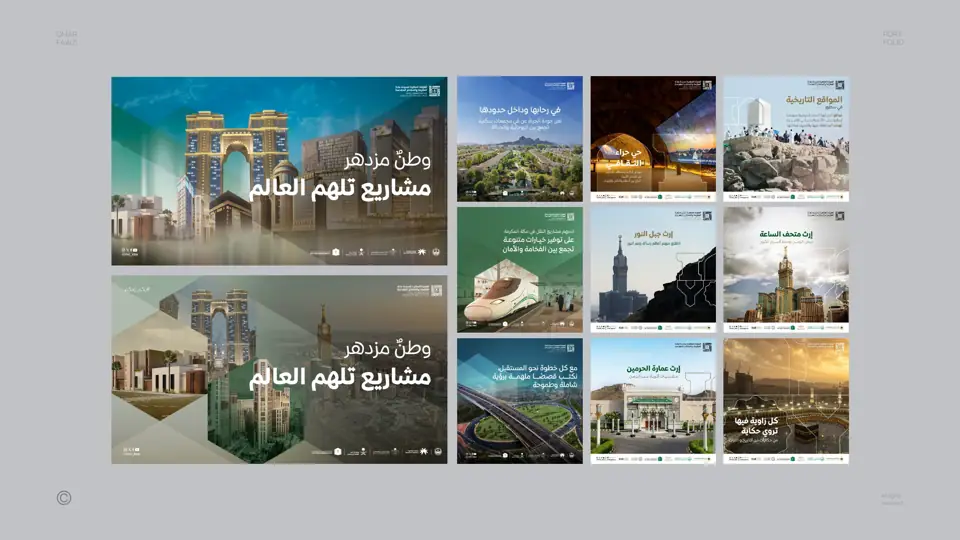
After years of leading design teams, I noticed that the projects with the most revision rounds were rarely the hardest ones. They were the ones that started with a vague brief. So I stopped writing long briefs and started writing one page.
What goes on the page
- The goal in one sentence. Not "make a post about the event", but "get people to register before Thursday".
- The audience. Who exactly will see this, and what do they already know?
- The one message. If people remember only one thing, what is it?
- The mandatories. Logos, legal lines, dates, sizes, languages. Listed once, so nobody guesses.
- The measure. How will we judge the result? Clear, on brand, readable in two seconds, approved by Friday.
- References, with reasons. Not just "like this", but "like this because of the calm layout".
Why one page works
A long brief hides the important line among twenty others. A short brief forces me, as the art director, to make decisions before the designer starts. That is my job. If I cannot write the goal in one sentence, the project is not ready to be designed.
What changed in my teams
Designers started asking better questions before opening Illustrator. Reviews became faster, because we were checking the work against the same page. And junior designers grew quicker, because the brief taught them how to think about a project, not just what to make.
Try it on your next project
Before you brief anyone, write the goal in one sentence and the message in one line. If either takes more than a minute, spend the time there. It is the cheapest design work you will ever do.